Making Do: Employment
Working families in both the United States and Canada make up a substantial portion of food insecure households. Caregiving responsibilities, underemployment, stagnant wages, and the rising cost of living mean that for many, a job alone is not enough. Women are more often employed part-time or in temporary, casual and contract work, are multiple job holders, or self-employed, and have work interruptions due to care responsibilities. Early feeding work is made difficult or impossible when employed outside the home, yet many caregivers must remain working for survival.
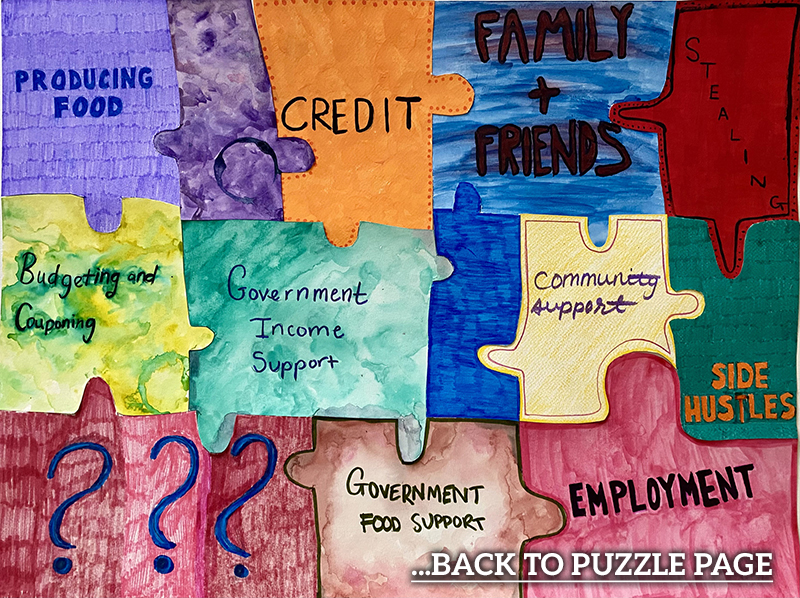
Our survey data showed that 43% of households with employment wages as the main source of income, and 59% with self-employment earnings, were living in food insecure households.
“My husband’s income alone is not enough to feed the family…I feel stressed but I try to stay positive. When it gets really tough, we eat lentils and rice the whole week (when the time gets better, we eat chickpeas and breads…just kidding lol). Our life is simple and we are very thrifty: we use public transportation (sometimes we just walk), we find baby items on the Facebook marketplace and Renaissance, and we use the library a lot, going to free events…etc. My husband is looking for a job with higher income. I believe that things are looking up.”
—Galina, Canada

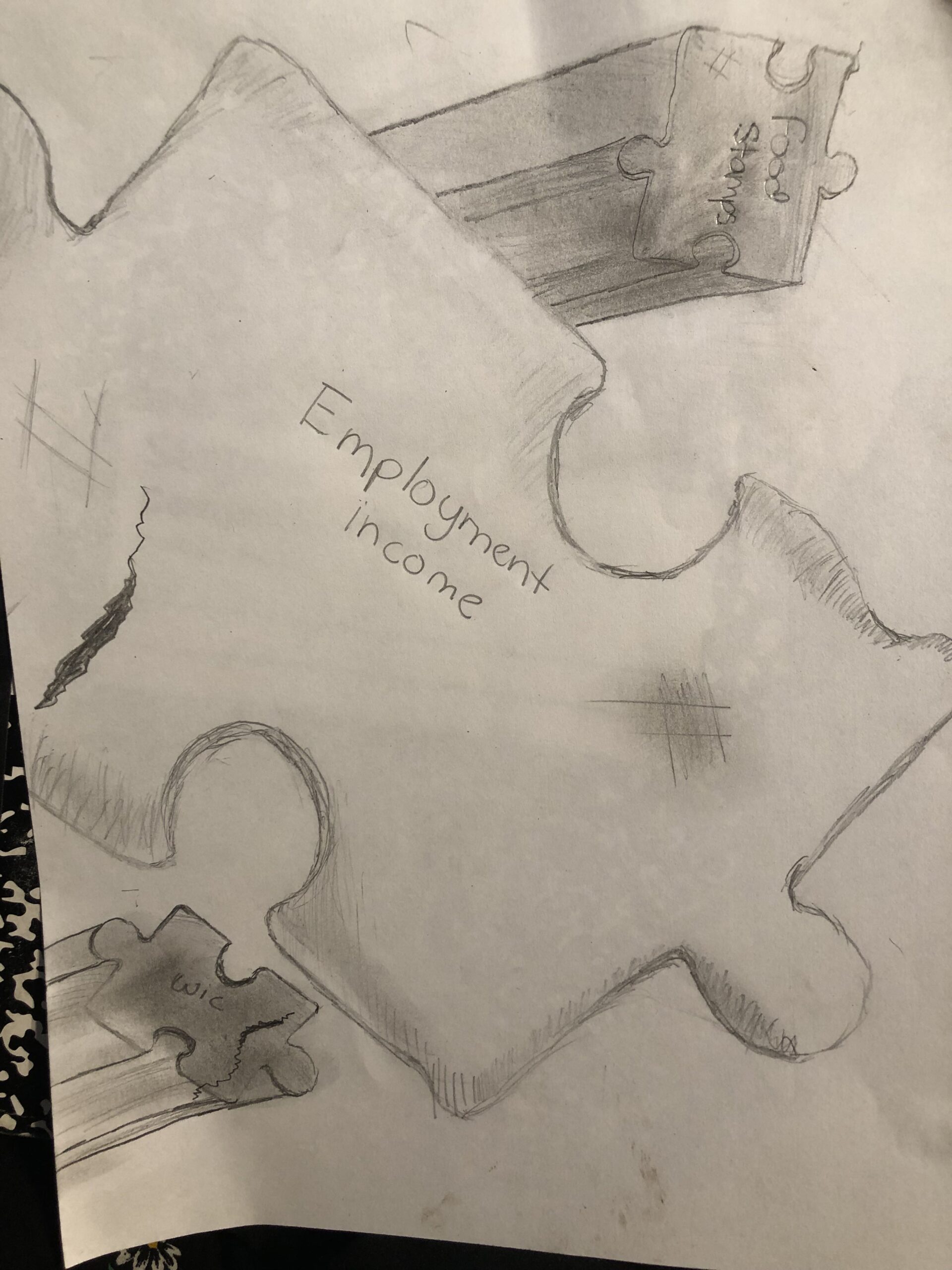
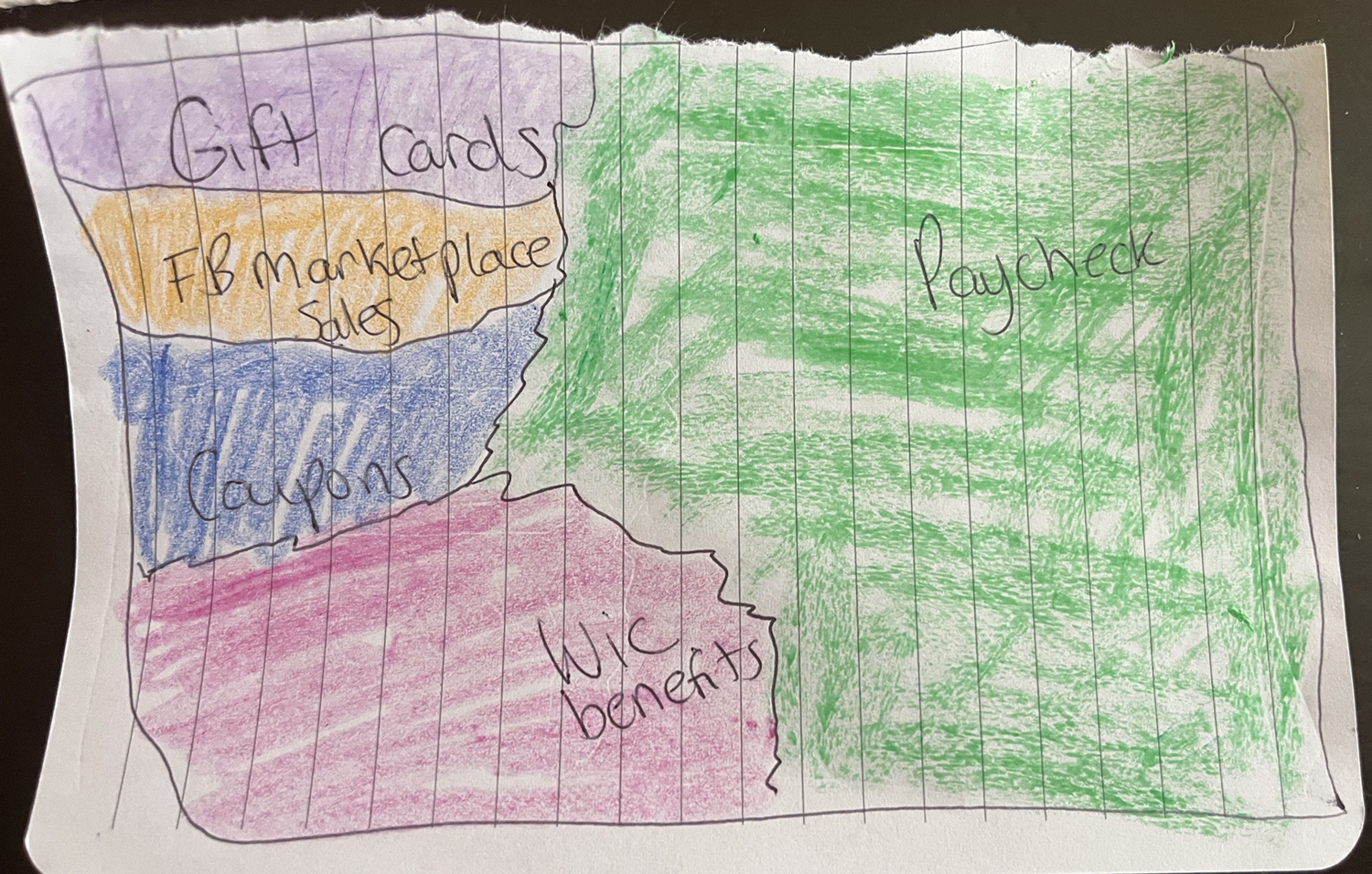
“A representation of payday”
—Audrey, U.S. Ethnography Participant
“Payday means being able to buy more than one formula!”
—Carlie*, U.S. Ethnography Participant
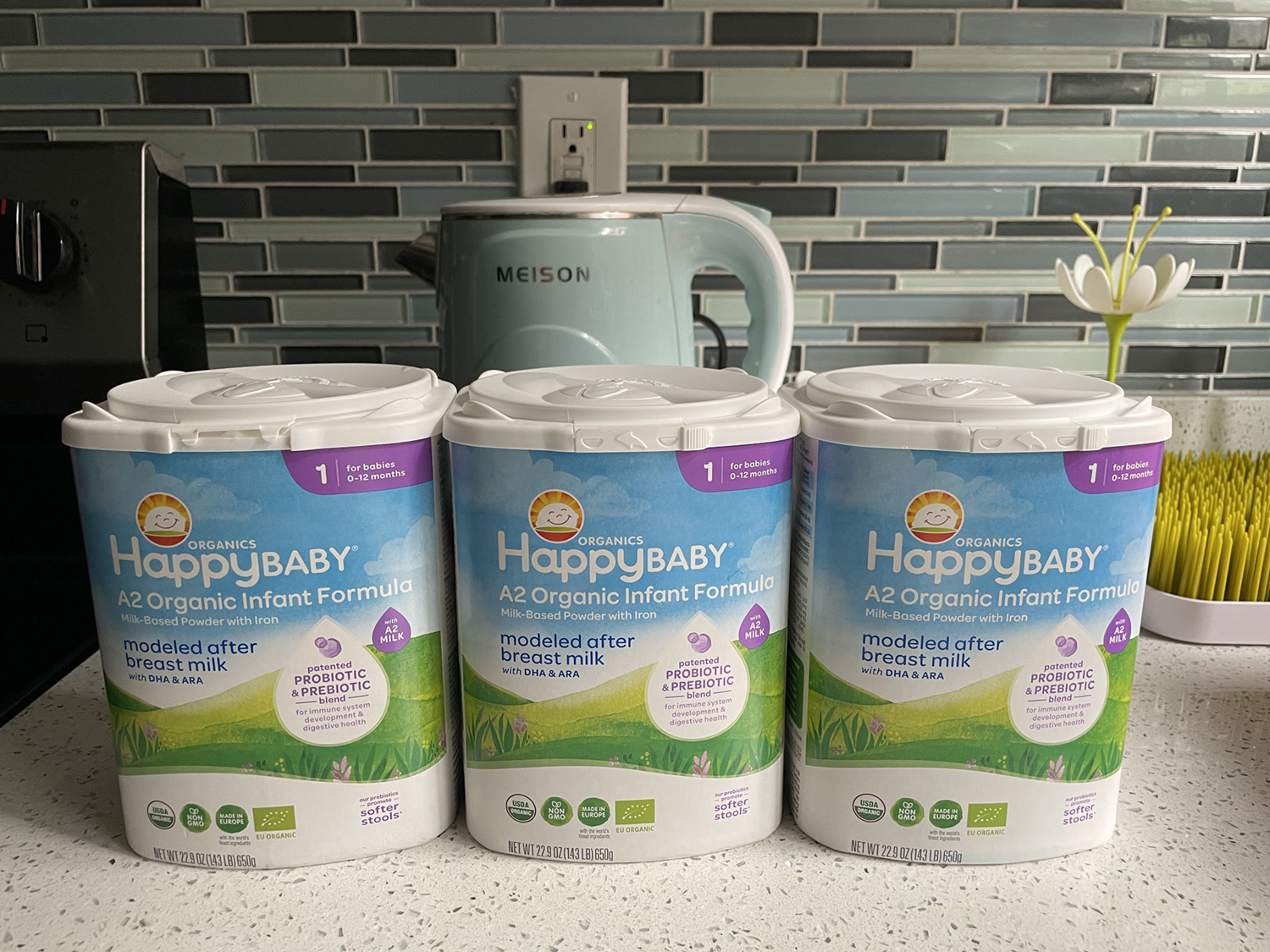
“Being forced to return to work too soon did a lot of damage to my family. It is wrong that the USA doesn’t even guarantee paid leave. The way to create successful and thriving families is to allow the support and bonding critically needed in the first two years of the child’s life. If I had more parental leave I might have succeeded at breastfeeding, and been able to reduce therapy costs by being able to provide my undivided attention. This would also reduce the stress and financial burden of childcare. Overall it would lead to happier healthier society and families.”
—Carlie*, United States
Weak enforcement of labour standards for supporting breastfeeding also threatens infant food security.
Hear from Omolade (United States) about how she pieces together resources to feed her family after a reduction in employment income.
Ariel (U.S.) describes how high payroll deductions for healthcare insurance and few paid sick days creates monthly budget shortfalls and can drive food insecurity in working families.
—Alicia, U.S.
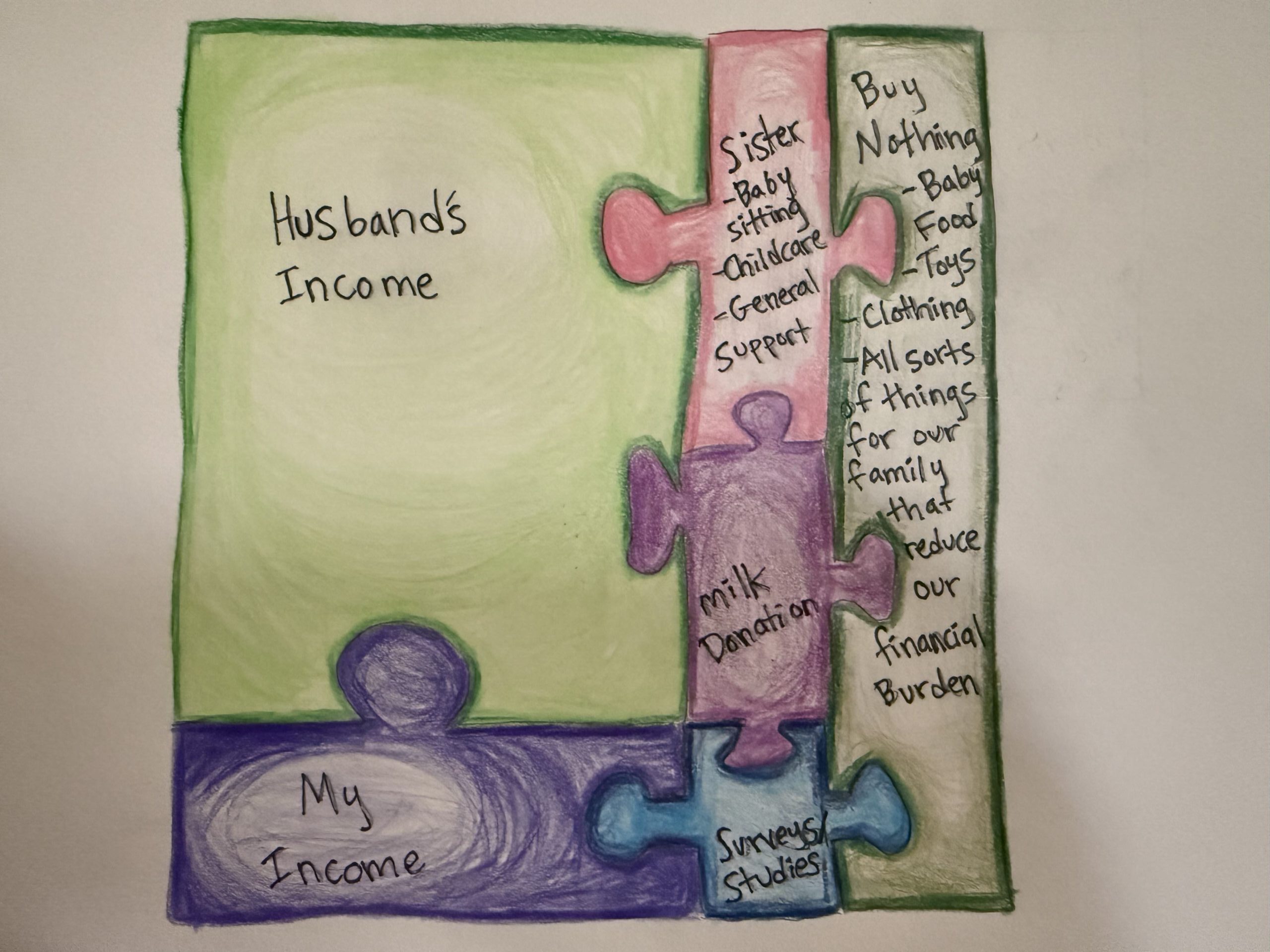
Sarah, U.S.
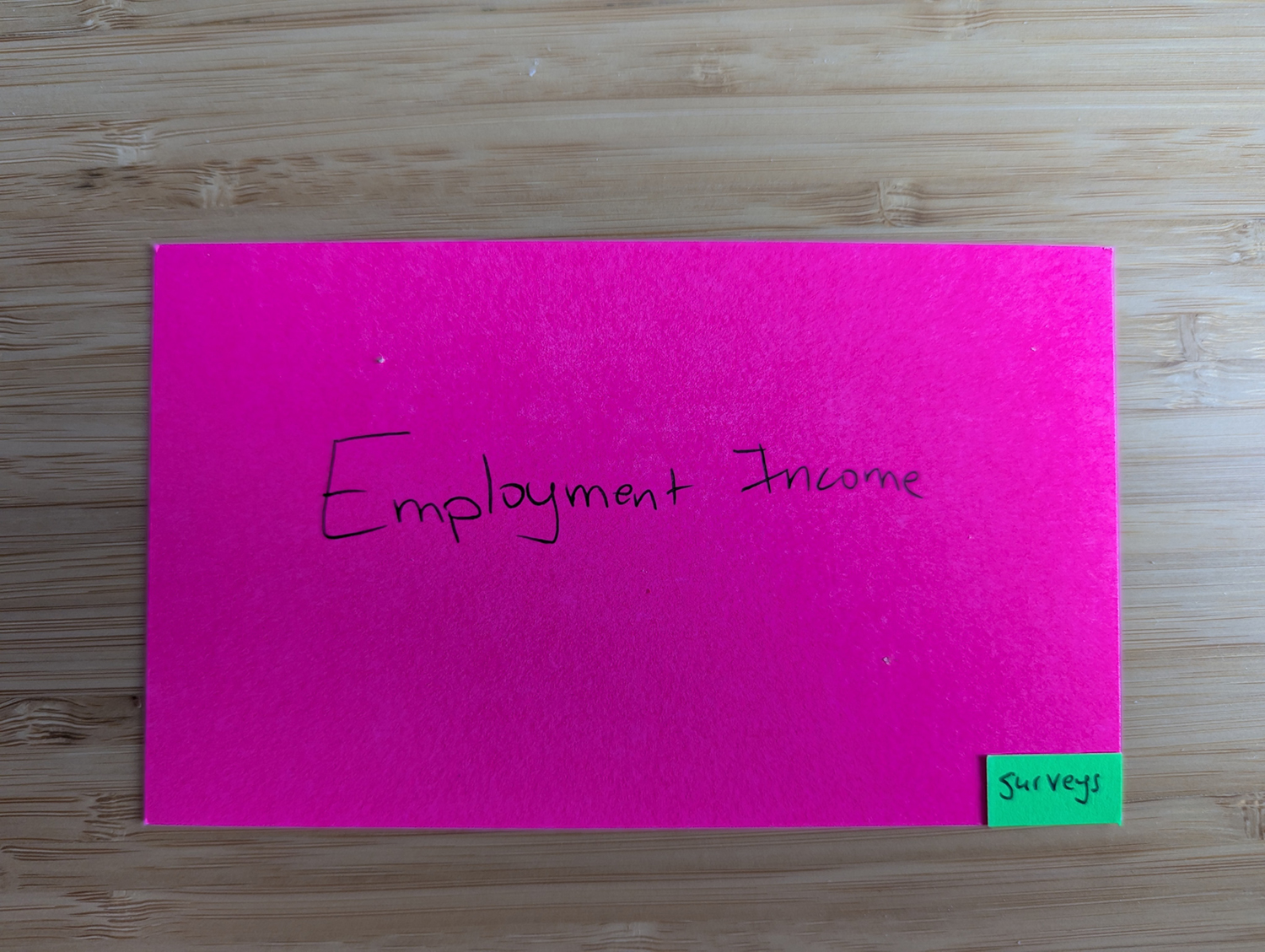
Penny*, U.S.
Angela tells a story about how a workplace employee made it so much harder to feed her baby.
“[I] struggled with obtaining workplace accommodations to pump breast milk. Employer did not want to provide paid work while pumping, requested I use break/lunches to pump or take unpaid time. I was forced to choose between feeding myself or my infant on my breaks, taking the financial hit of unpaid time to feed my infant, or quit breastfeeding and rely on hard to find formula.”
—Survey Participant